

Today's Market News:
Price Cuts Hit Four-Year High
As mortgage interest rates continue to climb, the housing market is being affected in several ways. More sellers are deciding to cut prices than retreat, with 20.8% reducing their prices during September. Inventory increased by 5.4% year-over-year during September, which brought the market to just 9.1% below pre-pandemic inventory levels.
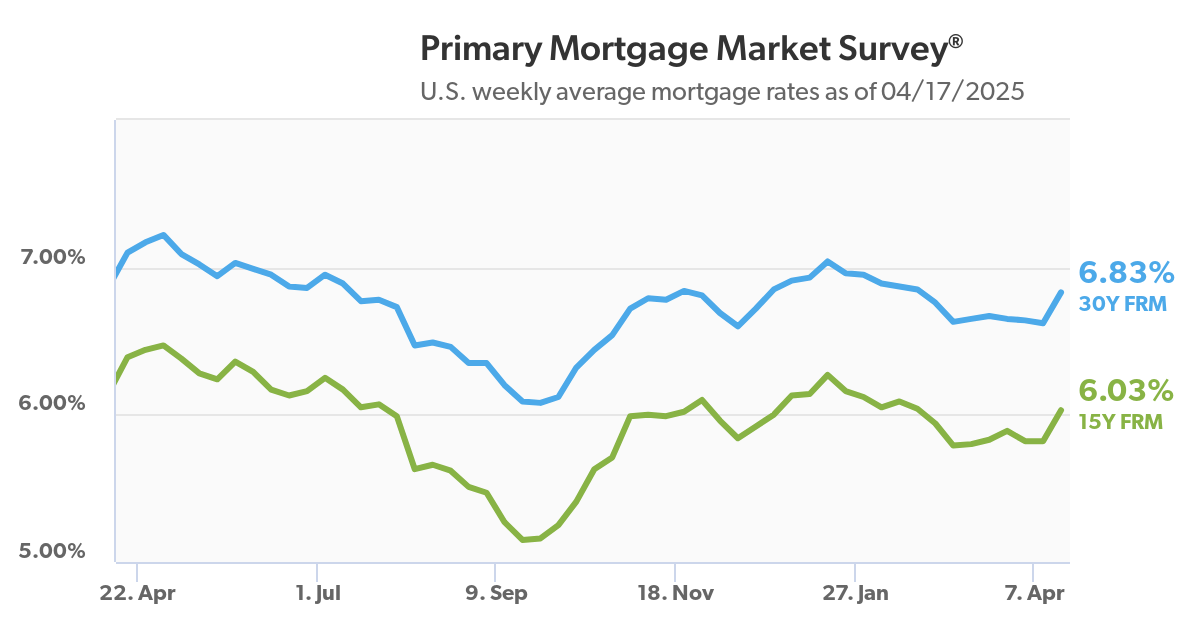
However, this doesn't always translate to more sales, as pending sales fell by 4.1% last month. With mortgage rates above 7%, lower asking prices and more negotiating leverage aren't sufficient to solve the challenge of rising monthly mortgage payments.
One possible solution: opting for an adjustable-rate mortgage (ARM). These recently accounted for 9.8% of mortgage applications, up from 6.3% several months earlier, according to Mortgage Bankers Association data.
The national figures also conceal a substantial regional divide. Inventory has already moved above pre-pandemic norms in parts of the South and West, where sellers generally face more competition, and price reductions are more common.1
Build Relationships and Cash Reserves with Property Tax Appeals

Whether you're looking for extra income during a slow season or want to build lasting relationships with buyers, a side gig managing property tax appeals can do both. And since many homeowners receive property tax bills in October, it's an ideal time to offer assistance with these.
While you'll need to be familiar with your area's property tax appeals process, your local market knowledge gives you a major advantage. So does your experience preparing Comparative Market Analysis (CMA) presentations. Your negotiating skills can pay off when dealing with stubborn tax assessor staff.
Another reason to consider providing this service: many homeowners don't realize they can appeal, or they've tried once unsuccessfully and given up.
No matter how you decide to market your appeal services, contacting past clients is an ideal place to start. Even if they don't require assistance, they'll appreciate hearing from you again — and may refer friends and family to you.2
Get A Second Opinion with Instagram's Edits Assistant

Do you ever wonder why some of your Instagram Reels keep viewers' attention, while other Reels are swiped in seconds? A new Instagram tool, Edits Assistant, can help you figure this out.
Last month, Instagram began rolling out its Edits Assistant tool. It can help you analyze your Reels' performance, test content ideas, and identify what strategies may be worth repeating. Edits Assistant has been added to Instagram's standalone video editor app Edits. You can download this from the Google Play Store or Apple App Store.
First, the Edits Assistant gathers data for your follows, views, video retention, likes, shares, and comments. Next, it compares your Reels features to Instagram trends and audience interests and identifies popular ones.
You can compare listing tours, neighborhood videos, market explainers, and homebuying tips to see which formats are winners. In addition, you can test-drive two openings for the same Reel. For example, one Reel may introduce a listing's curb appeal, while the other begins by highlighting the listing's designer kitchen. Edits Assistant could help compare how viewers respond.
Want to take Edits Assistant for a test drive? Run it on a handful of your existing posts, look for patterns, and test one revision at a time.3
Discussing Today's Market with Seller Clients

Depending on your territory's inventory and buyer demand, you may find yourself having difficult conversations with your seller clients, especially those whose homes aren't drawing buyer interest. While price reductions are common, a too-high price may not be the reason why a client's home isn't selling. Instead, you'll need to determine if the problem is price, financing affordability, or the property itself.
Study local listing data. While inventory is rising on a national level, some regions are more affected than others. For example, price reductions are more common in the West region than in the Northeast. Sellers in areas with limited inventory may have little reason to consider a price cut.
Update your listing's comps. Check new listings, pending sales and recent closings, then compare the seller's days on market and showing activity with the closest competition. It's possible that most sellers are experiencing slower sales and that a price cut alone won't solve this problem.
Study buyer preferences in your neighborhood. Your seller's sparse showings may point toward a positioning problem, especially if competing homes are drawing buyers. Discussing what's selling and what isn't helps keep the discussion centered on what buyers are doing now, rather than suggesting that the seller doesn't understand current home values.
Sharing local and regional market data with sellers can turn an uncomfortable price-cut conversation into a pricing decision backed by current trends.4
Senate Bill Protects Agents' Independent Status

The Direct Seller and Real Estate Agent Harmonization Act would clarify that qualifying professionals are independent contractors under the Fair Labor Standards Act. Passage of the Act would help solve regulatory confusion between federal agencies. While the IRS has classified direct sellers and licensed real estate agents as "statutory nonemployees" (independent contractors) since 1982, the Department of Labor (DOL) has used less consistent tests.
NAR welcomed congressional action on the legislation, which the association has supported in previous Congresses. NAR data shows that 89% of its members operate as independent contractors.5
Sources: 1nationalmortgageprofessional.com, 2keyrealestateresources.com, 3theclose.com, 4theclose.com, 5nars.realtor.com.
Recent Comments