

December Home Sales Exceed Expectations
Sales of previously owned homes in December rose to a seasonally adjusted, annualized rate of 4.35 million units, a 5.1% increase from November. This was higher than analysts' expectations of a 2% gain. Sales were 1.4% higher than a year earlier.
For the full year, there were 4.06 million existing home sales, unchanged from 2024.
After adjusting for seasonal factors, December sales were the strongest in nearly three years. Sales increased in all regions month-over-month and were higher annually in the Northeast and Midwest, but lower in the South and West.
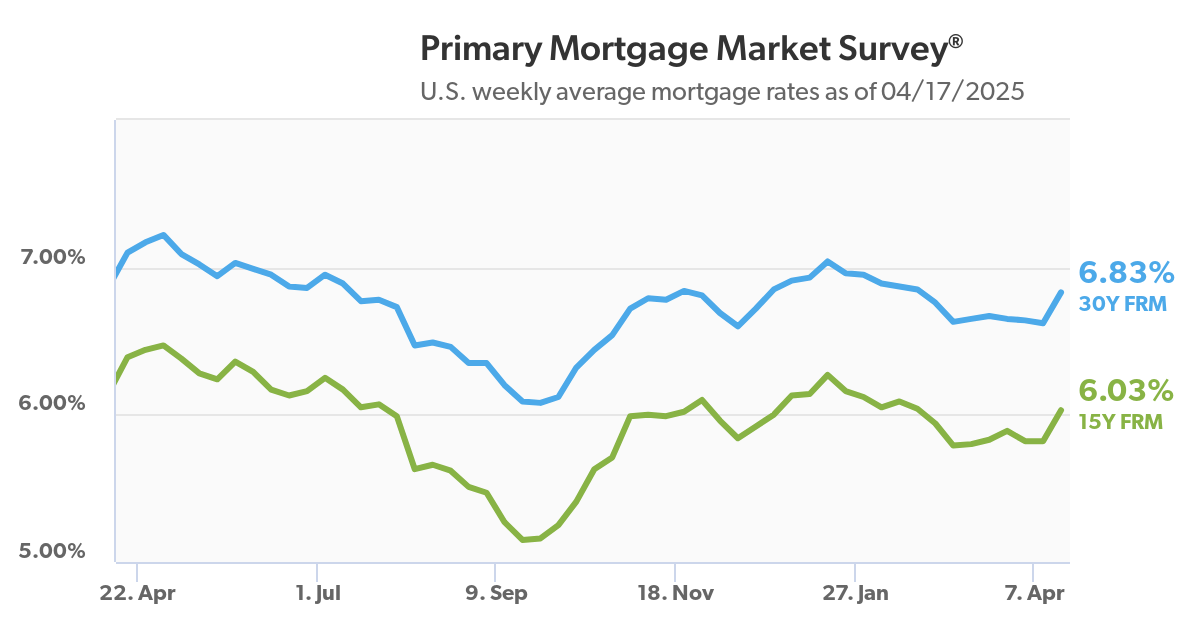
This count is based on closings, so sales contracts were likely signed in October and November, when mortgage rates weren't moving much. The average rate on the 30-year fixed loan hovered between 6.2% and 6.3% during that time. That rate, however, was lower than it was last spring and summer, when it was closer to 7%.
Inventory was the big headline of the monthly report. There were 1.18 million units available for sale at the end of December, down 18% from November, although 3.5% higher year-over-year.
With stronger sales, that dropped the supply to just 3.3 months, which is considered quite lean. Low supply kept prices in positive territory, although just barely.
The median price of a home sold in December was $405,400, up 0.4% annually and the 30th straight month of annual gains. The increase, however, was smaller than the 1.2% gain in November.1
How Sellers Are Finding and Choosing Agents

According to Zillow's recent Housing Trends Report, 36% of sellers found their agents through online channels during 2025 — more than double the 15% share in 2018.
In addition, the current housing market is led by repeat buyers whose priorities have changed. Some realize that sellers outnumber them, so their expectations may be higher.
Here are some strategies used by sellers to close deals and choose an agent. You may want to add details of your expertise to your marketing materials, when applicable.
- 78% of sellers were more likely to hire agents who offer high-resolution photography. 75% of sellers were more likely to hire agents who provide virtual tours and interactive floor plans.
- About two-thirds of sellers covered some or all of their buyer's closing costs.
- One in three sellers offered a rate buydown.
- One in three sellers said selling within their preferred time frame mattered more than maximizing price.
Builder Confidence for 2026 Slides

Builder confidence in the market for new homes fell two points to 37 earlier this month, according to the recently released National Association of Home Builders (NAHB)/Wells Fargo Housing Market Index (HMI).
Respondents mentioned affordability as a big problem, together with rising construction costs. Builders whose customers are in the lower and mid-price ranges are seeing these prospective buyers struggling with down payment requirements. This brought the HMI future sales numbers down to below 50 for the first time since September 2025.
The survey also revealed that 40% of builders reported cutting prices in January, with the average price reduction at 6%. This was 1% higher than December's average 5% price reduction. Sales incentives remained popular, with 65% of respondents using them during January.
- The HMI index gauging current sales conditions declined one point to 41.
- The gauge charting traffic of prospective buyers dropped three points to 23.
- The index measuring future sales fell three points to 49.
Warn Sellers About Code-Violating DIY Projects

If one or more of your seller clients are busy preparing their homes for walkthroughs or Open Houses, they may be doing more than painting and decluttering. However, a few DIYers may end up with possible code violations. Here are some you may want to discuss with sellers.
Electrical outlet updates are potentially easy fixes. However, if the seller doesn't install ground-fault circuit interruption (GFCI) receptacles in areas where water sources are present (bathrooms, kitchens and laundry rooms), they could end up with a code violation. Another DIY mistake is "daisy-chaining" receptacles. This is when several outlets are connected where power flows from one outlet to the next. If one outlet fails, the others fail as well.
Ventilation fans may violate code if installed improperly. When installed in a bathroom, kitchen, or laundry room, the fan must vent outside the house, not into an attic or basement. DIYers who are only replacing the fan may not realize that the system's current ventilation is not code-compliant.
Cutting into beams to run electrical wires or plumbing pipes through walls may not seem like a big deal. But if the DIYer cuts too deeply into a load-bearing stud or beam, this is a dangerous code violation. Cutting into a load-bearing structure may weaken its ability to support that portion of the home.
Unlabeled or incorrectly labeled breakers are dangerous to anyone who works on them. If a seller carries out some DIY wiring that's otherwise up to code, but doesn't label or update the home's breaker box, this is a code violation.4
Is It Time to Trade Your Tweets for Threads?

Similarweb data has found that Threads' number of active daily users has outnumbered X daily users from last September and continues to move ahead this year.
X's Grok AI chatbot is another reason why some users are departing for Threads. While Grok's data training methods aren't available, some users have criticized Grok for generating controversial images. Users can click on "Edit Images" and produce this type of content in seconds.
In addition, X's owner Elon Musk has stated that Grok has been trained to avoid producing "woke" content. This has led to criticism that the chatbot's tone is often artificial or even biased. If you're using AI to generate messaging, be sure to research different tools to ensure they align with your content and preferred tone.
- No matter how you manage and create social media content, there are two questions to consider.
- What types of social media are most popular with your followers, prospects and clients? How much time can you dedicate to preparing and publishing content to your social media accounts?5
Sources: 1cnbc.com, 2zillow.mediaroom.com, 3eyeonhousing.org, 4lifehacker.com, 5socialmediatoday.com
Recent Comments