
Today's Market News:
Why Retired Sellers Risk Getting Less for Their Homes
New research has found that homeowners who sell after they reach retirement age often end up with less profit than younger homeowners.
Compared to sellers in their 40s and 50s, an 80-year-old homeowner gets an average 5% lower price for a house held for about 11 years. On a typical home price of $405,400 — NAR's national median sale price for last December — this adds up to an average $20,270 loss. This gap continues to grow as homeowners age.
One major reason for these differences in returns for older sellers is the condition of their home. These properties are more likely to show signs of deferred upkeep or have considerably fewer upgrades. In addition, older homeowners are more likely to sell through private, off-market listings.
If your current territory contains homeowners who are nearing retirement age, you can begin to build a relationship sooner by discussing their expectations when and if they decide to sell their home. Explain how preparing a home for sale well in advance can make a big difference. Setting aside some cash for upkeep, decluttering over time, and tying the home sale into a broader retirement and cash plan can help them receive a higher price while avoiding selling under pressure. You may also want to reach out to your established borrowers and offer to assist any older relatives.1
More Buyers Go for Smaller Down Payments

Although a 20% down payment provides some long-term savings, such as eliminating the need for private mortgage insurance, more buyers are putting less down. During December 2025, the typical homebuyer put down 15.2% of the purchase price, compared with 16.7% a year earlier. This was the first decline recorded in five months.
This data is from a Redfin analysis of county records across 38 of the most populous U.S. metropolitan areas, with data limited to home purchases for which buyers took out a mortgage.
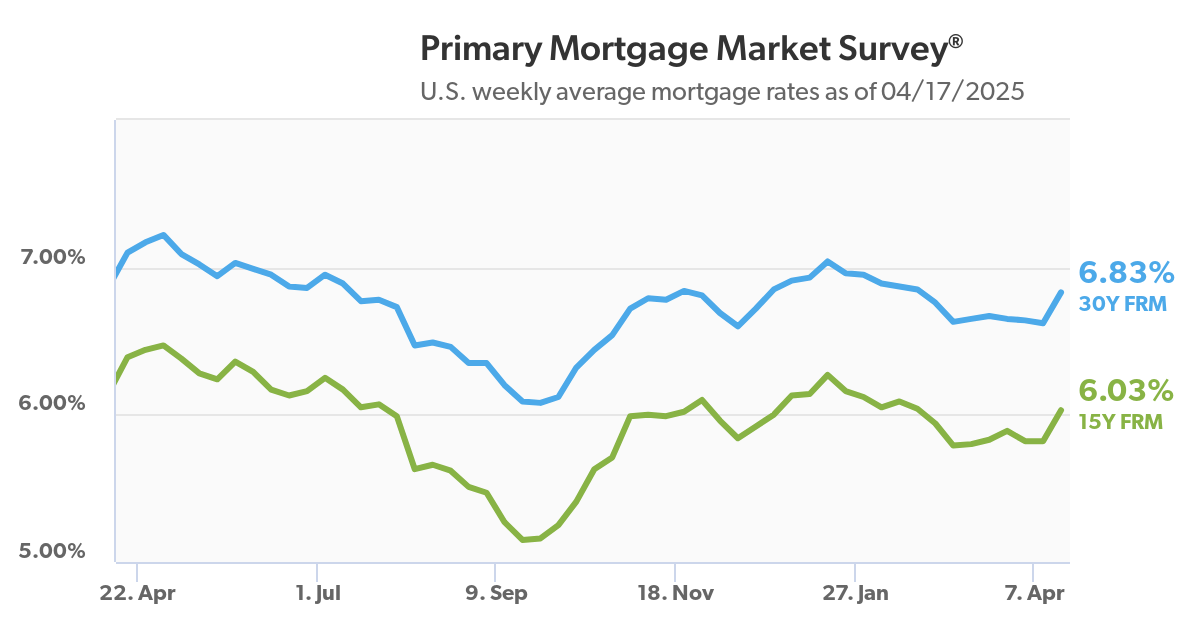
It's worth noting that while mortgage rates remain more than double the all-time low hit during the pandemic, they have come down in recent months. The average 30-year-fixed mortgage rate now sits at 6.09%, which is just short of the lowest level since 2022. This may bring more homebuyers back into the market.2
Salute Our Troops with an MRP Certification

If you grew up in a military family, you know how the arrival of PCS papers (Permanent Change of Station) meant it was time to start packing. However, buying a new home in a new area is often a different experience for military families than for civilians. This is one reason you may want to consider earning a Military Relocation Professional (MRP) certification. If your territory includes one or more military or naval bases or installations, this is another reason to earn your MRP.
You can take the one-day course online or in a traditional classroom. After you complete it, you'll be ready to assist military families by helping them find housing solutions while they take advantage of the military benefits and support available to them.
Click here to learn more, or to find an online or in-person course near you.3
Singles Finding It Harder Than Ever to Become Homeowners

A recent survey found that nearly half of single Americans earn less than $50,000 per year, compared to just 9% of married couples. This makes it harder for singles to afford housing, especially as they also tend to be younger buyers.
Local taxes aren't always kind to singles either. For example, single condo owners in Washington D.C. pay an annual "singles tax" of nearly $18,000, while single Bay Area condo owners pay over $40,000 more than their married counterparts. Other tax structures tend to favor marrieds over singles, although married people can usually opt to file federal taxes jointly or separately.
Married couples make up a smaller share of U.S. households than they used to, which is something to mention to your local government representatives when they're discussing policies to solve the housing affordability crisis. If you network within your city's Chamber of Commerce or local government, you may want to encourage policymakers to make it easier to build condominiums featuring studios and one-bedrooms.4
When Buyers and Sellers Fall in Love...But Not With Each Other

In the meantime, the house sits without offers...and sits.
When this happens, most buyer agents advise their clients to wait a week or two or three. Chances are, the seller will eventually realize that their price is unrealistic and discuss a price drop with their agent. But not all buyers are able to wait.
In this case, the best move may be to make an offer on behalf of your buyer client anyway. Here's why.
It's not unusual for buyers to fall in love with a house that's priced way too high. When that happens, they're faced with an uncomfortable choice: wait and hope the seller drops their price, or accept the situation and begin viewing other homes.
However, if you're representing a buyer who's found the perfect yet overpriced home, you may have an opportunity to be a hero by putting your negotiation skills to work.
- By making your client's interest known early, and approaching the situation thoughtfully, you may be able to negotiate a mutually acceptable contract before time forces the seller to drop their price.
- Sellers become increasingly stressed if and when their homes remain unsold. Creating a way out of this dilemma may result in a win-win for your buyer, the seller, and you.
Sources: 1cnbc.com, 2redfin.com, 3militaryrelocationpro.org, 4redfin.com, 5lightersideofrealestate.com
Recent Comments